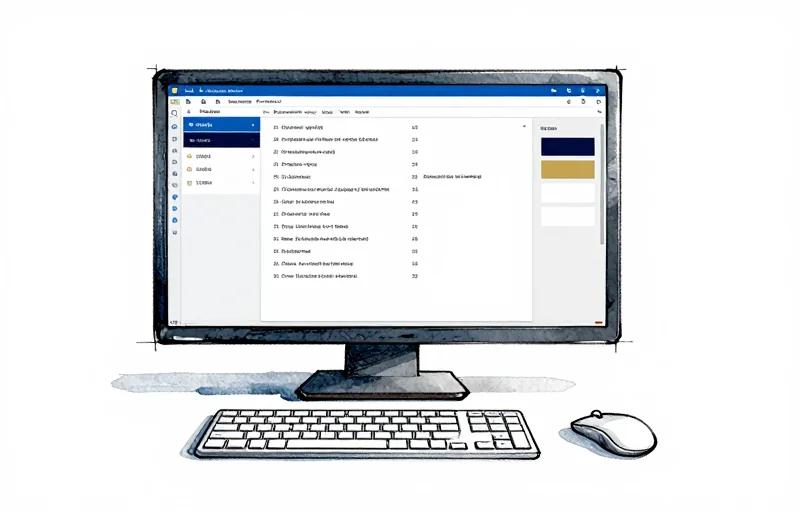
What Are CAT Tools and Why Translators Need Them
CAT (Computer-Assisted Translation) tools are programs that help translators work faster and more consistently. They don't translate on their own but provide translators with tools: Translation Memory (TM), terminology databases, and quality assurance. The translator makes every decision personally but spends less time on routine tasks.
Don't confuse CAT tools with machine translation. Google Translate, DeepL, Yandex Translator are MT (Machine Translation). CAT tools are a working environment for human translators, where MT may be just one of the auxiliary modules.
Main CAT Systems on the Market
SDL Trados Studio — the industry standard with approximately 40% market share. Supports over 70 file formats, including InDesign, FrameMaker, XML, HTML. Powerful QA checking system and integration with MultiTerm for terminology management.
memoQ — popular among large agencies and corporate translation departments. Features a user-friendly interface, built-in project management module, and server-based TM support for teamwork.
Memsource (Phrase TMS) — a cloud platform convenient for distributed teams. API for integration with CMS and content management systems. Automatic task assignment and built-in analytics.
At Translation Agency "Universal", we work with all three systems — the choice depends on client requirements and project type. For technical translations, we more often use Trados; for website localization — Memsource.
Translation Memory: How TM Saves Money
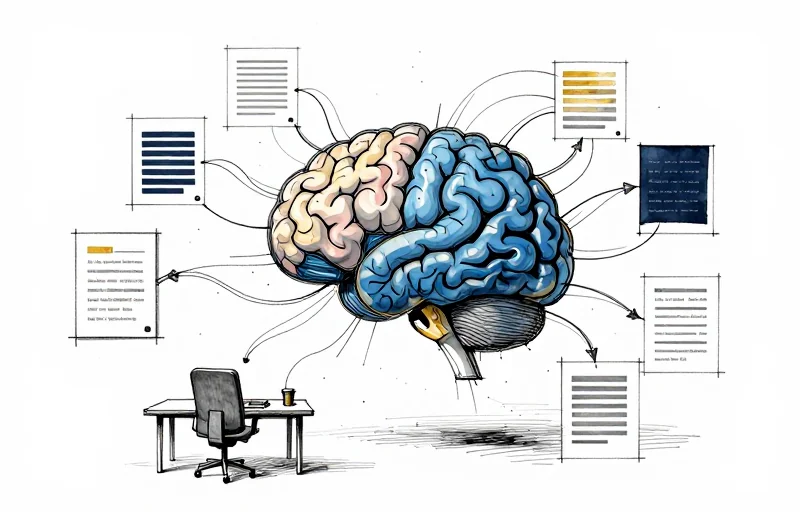
TM is a database that stores "source — translation" pairs at the segment level (usually sentences). When working on a new text, the system automatically finds matches:
- 100% match — segment identical to a saved one. The translator checks context and approves. Discount — up to 70%.
- Repetitions — repeats within a single document. Translated once, discount — up to 70%.
- Fuzzy match (75–99%) — partial match. The translator edits. Discount — 20–40%.
- No match (0–74%) — new segment. Full translation cost.
For regular clients, we maintain a cumulative TM. With recurring orders — for example, monthly technical documentation — by the third or fourth order, the match rate reaches 40–60%, which directly reduces cost.
Glossaries and Terminology Databases
A terminology database (Termbase) is a project dictionary where approved term translations are recorded. If the client uses "control module" instead of "control unit," this is recorded in the glossary, and the CAT tool highlights deviations.
We create the glossary during project preparation: gathering client reference materials and agreeing on key terms. For projects over 50 pages, this is a mandatory step — it prevents up to 80% of terminology inconsistencies.
QA Checks: Automatic Quality Control
Built-in Quality Assurance modules check translations against dozens of parameters:
- Missing segments — no sentence will be skipped
- Terminology non-compliance with the glossary
- Numeric value mismatches (dates, amounts, part numbers)
- Tag and formatting errors
- Punctuation and capitalization inconsistencies
- Double spaces, unclosed brackets
The QA report is generated automatically and reviewed by an editor. This doesn't replace human proofreading but catches mechanical errors before the editing stage.
Concrete Benefits for the Client
A real-world example: an industrial holding orders monthly technical documentation translation (50–80 pages, English/German). After creating a TM and glossary of 12,000 units:
- Turnaround time was reduced from 10 to 5 business days
- Cost decreased by 35% due to TM matches
- The number of terminology comments from the client dropped from 12 to 1–2 per order
We provide the TM and glossary to the client — it is their intellectual property. When changing vendors, the databases stay with the client. We work under contract, provide NDA and closing documents (simplified tax system, no VAT).
When CAT Tools Are Not Needed
For literary texts, advertising slogans, and marketing materials with a high degree of adaptation, CAT tools are less effective — there are too few repeating segments. For such tasks, our translators work in a text editor, and quality control is ensured by double proofreading.
For a one-time translation of a small document (1–3 pages), setting up a CAT system doesn't make sense either — the overhead won't pay off. But if the volume is 10+ pages or repeat orders are expected, CAT tools deliver significant savings.
 Max
Max