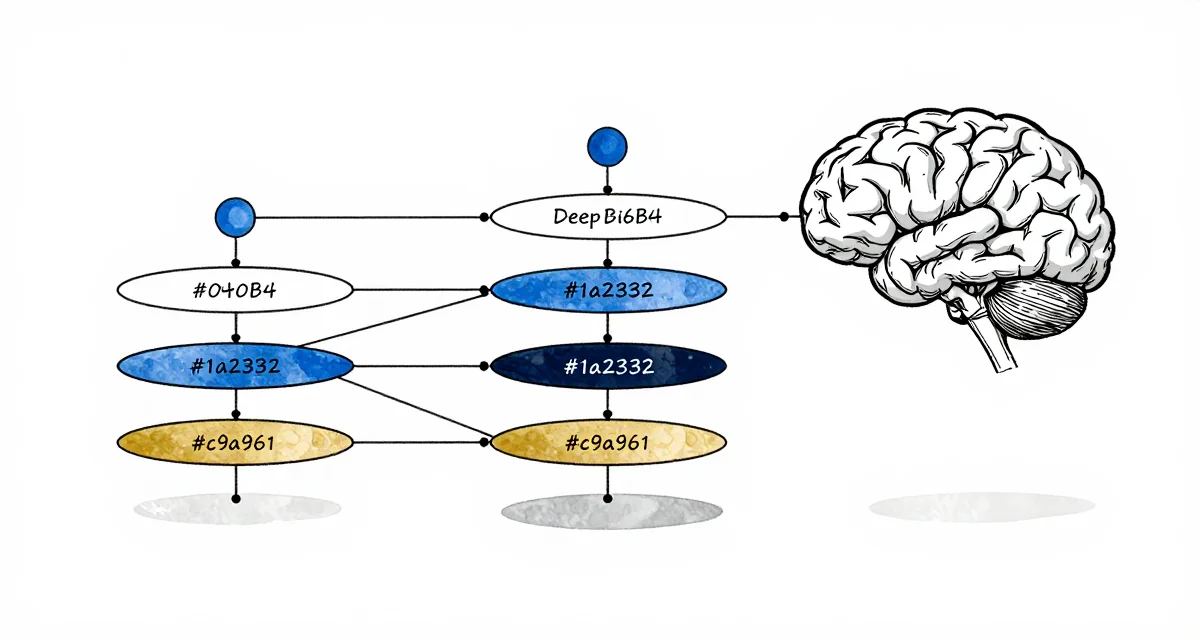
Machine Translation in 2025
Over the past two years, neural translation quality has made a leap comparable to the 2016 shift from statistical to neural models. Key players:
- DeepL — quality leader for European languages. Supports 33 languages. For EN↔DE, errors are at human translation level in 72% of cases (per BLEU + human evaluation).
- GPT-5 and Claude — large language models (LLMs) show excellent results translating texts with complex context. They understand irony, cultural references, and stylistic nuances. But they generate "hallucinations" — adding information that isn't in the original.
- Yandex Translate — the strongest model for Russian, especially for RU↔EN, RU↔ZH, RU↔TR pairs. Integration with Yandex Cloud is convenient for corporate clients in Russia.
- Google Translate (Gemini) — 243 languages, stable quality for major languages, weak performance with rare pairs and specialized terminology.
Where Neural Networks Work Well
We tested all major engines on real orders — 500 texts across various subjects totaling 2 million characters. Results:
High quality (minimal editing):
- General business correspondence — errors in fewer than 5% of segments
- E-commerce product descriptions — stable results with context provided
- News texts — neural networks perform at junior translator level
- Software UI (short strings with context) — up to 85% of segments need no editing
Medium quality (editing required):
- Technical texts — neural networks confuse similarly spelled terms, ignore standardized terminology
- Marketing texts — literal translation kills emotional impact and creativity
Unacceptable quality (complete rework):
- Legal contracts — neural networks don't account for the target language's legal system
- Medical documents — critically dangerous errors in dosages and diagnoses
- Literary texts — loss of authorial style, intonation, and rhythm
PEMT: How Neural Networks Are Used in Translation
PEMT (Post-Editing of Machine Translation) is not "press a button and get a translation." It's a full production process:
- Text analysis. The manager evaluates the subject, volume, quality requirements, and decides whether PEMT is suitable for the order.
- Machine translation. The text is run through one or several engines (DeepL, Google NMT, etc.).
- Post-editing. A professional translator corrects the machine output: fixing terminology, style, meaning errors, and checking numbers.
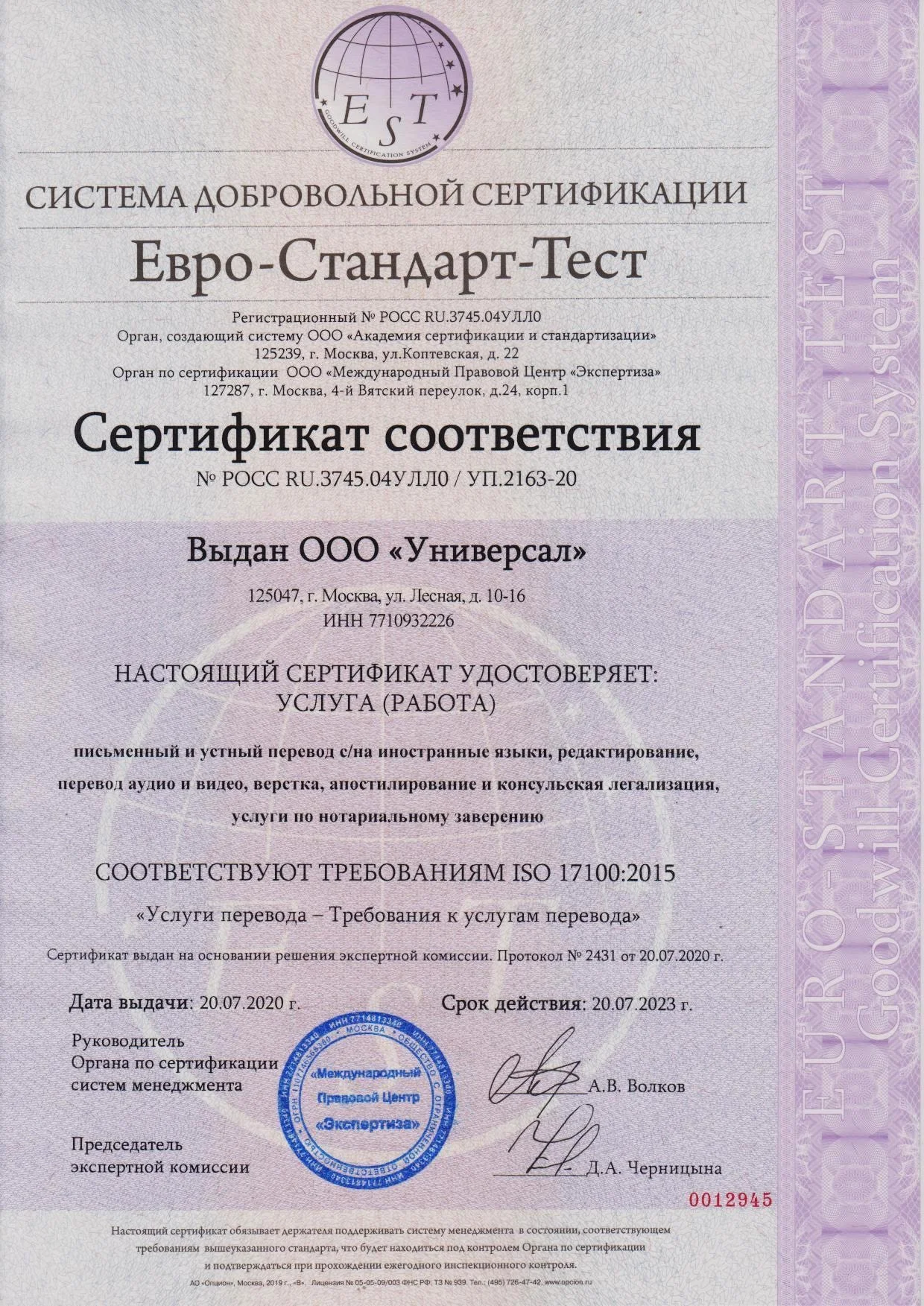
- Quality control. An editor reviews the final version against the ISO 17100 checklist.
PEMT reduces written translation costs by 20–35% and accelerates timelines by 30–50%. But it's not suitable for all text types — legal documents, notarized translations, and creative texts are translated manually only.
When AI Falls Short: 5 Real Failures
From our practice:
1. Medical device instructions. DeepL translated "apply pressure" as "exert pressure" instead of "press firmly." In the context of stopping bleeding — a critical error.
2. Supply contract. GPT-4 translated "Force Majeure clause" and missed the legal formulation that entirely changed risk distribution.
3. Marketing slogan. Yandex Translate translated "Think different" literally — technically correct but losing all marketing impact.
4. Financial statements. Claude translated "accrued liabilities" using a non-standard term instead of the accepted IFRS terminology.
5. Patent application. All tested engines failed to translate patent claims — a special legal genre with strict syntax requirements.
2025–2026 Trends: What to Expect
Based on our observations and industry research (GALA, TAUS, Slator):
- Custom language models — companies are training LLMs on their own data. Translation quality in narrow domains approaches human level.
- Multimodality — translating text in images, video, VR interfaces. Website localization extends beyond text.
- Real-time translation — live interpretation via earbuds (Timekettle, Google Pixel Buds). Quality isn't sufficient for business negotiations yet, but acceptable for tourism.
- PEMT growth — according to Slator forecasts, by 2026 60% of commercial translation volume will go through PEMT workflows.
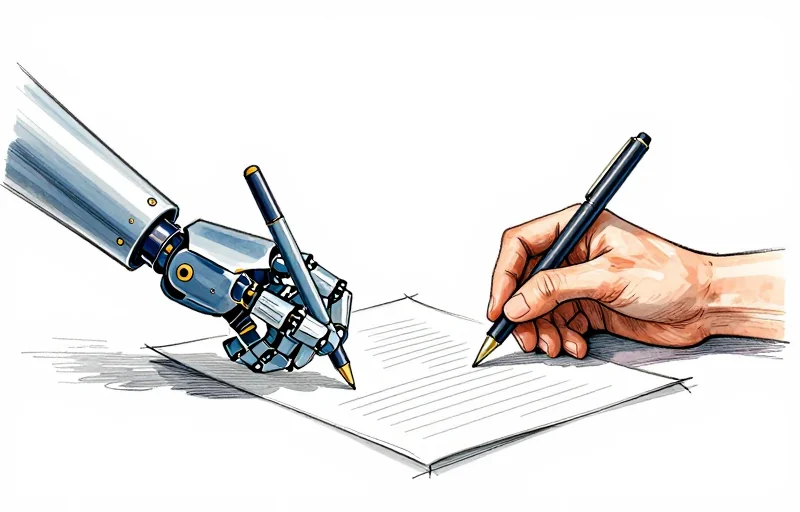
Neural networks won't replace translators, but translators who don't master AI tools will lose to those who do. We've been investing in technology since 2019 and integrated PEMT into our workflow before it became mainstream.
 Max
Max