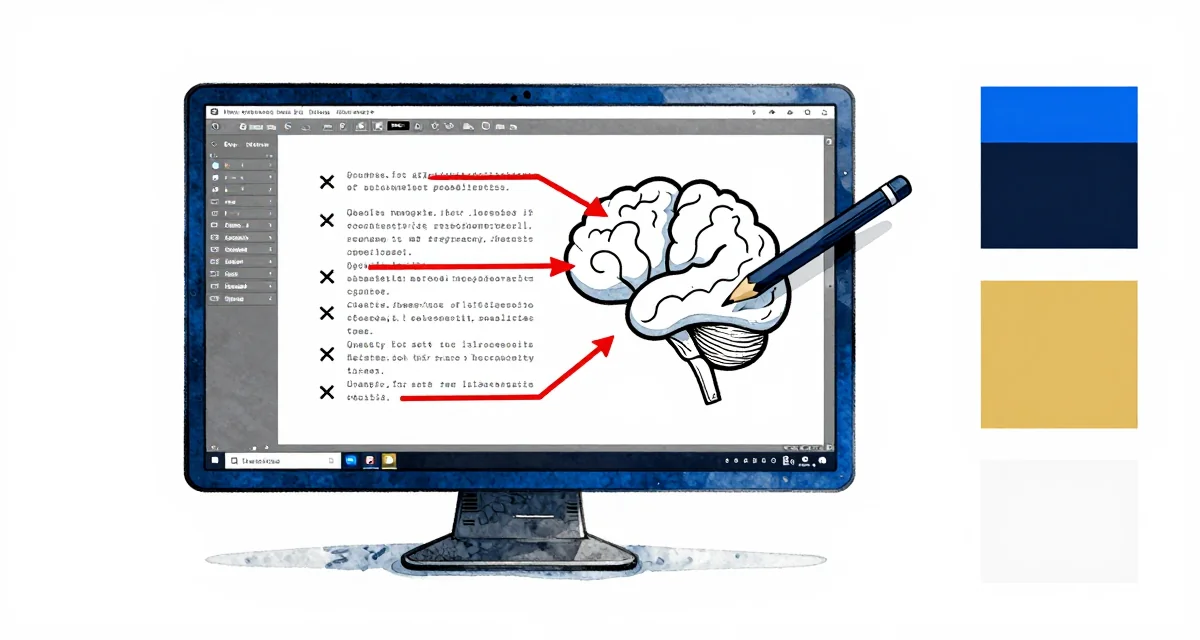
PEMT in Simple Terms
PEMT — Post-Editing of Machine Translation — is the editing of machine translation by a human translator. The text is first translated by a neural MT system (DeepL, Google NMT, ModernMT, or a corporate engine), and then a qualified post-editor corrects errors, bringing the text up to the required quality.
PEMT is not "cleaning up after Google Translate." It's a distinct professional discipline with its own standard (ISO 18587:2017), post-editor qualification requirements, and clear applicability criteria. The post-editor must be a qualified translator — the standard prohibits assigning this work to people without translation training.
Light PEMT and Full PEMT: Two Levels
The ISO 18587 standard and industry practice distinguish two levels of post-editing:
Light PEMT (light post-editing) — the editor corrects only critical errors: meaning distortions, omissions, factual inaccuracies. Style and text fluency are not edited. The result is an understandable, factually correct text that may sound "machine-like." Suitable for internal documents where the reader is a specialist, not an end consumer.
Full PEMT (full post-editing) — the editor brings the text to a quality indistinguishable from human translation from scratch (human translation quality). Style, terminology, grammar, consistency, and logic are corrected. The result can be published, sent to clients, and used in marketing.
| Criterion | Light PEMT | Full PEMT | Human Translation |
|---|---|---|---|
| Meaning accuracy | Yes | Yes | Yes |
| Stylistic editing | No | Yes | Yes |
| Terminology accuracy | Basic | Full (per glossary) | Full |
| Savings vs. human translation | 30-40% | 15-25% | Base price |
| Speed | 5,000-8,000 words/day | 3,000-5,000 words/day | 2,000-3,000 words/day |
| Publication quality | No | Yes | Yes |
ISO 18587:2017 Standard
ISO 18587:2017 "Translation services — Post-editing of machine translation output — Requirements" is the only international standard governing PEMT. It defines:
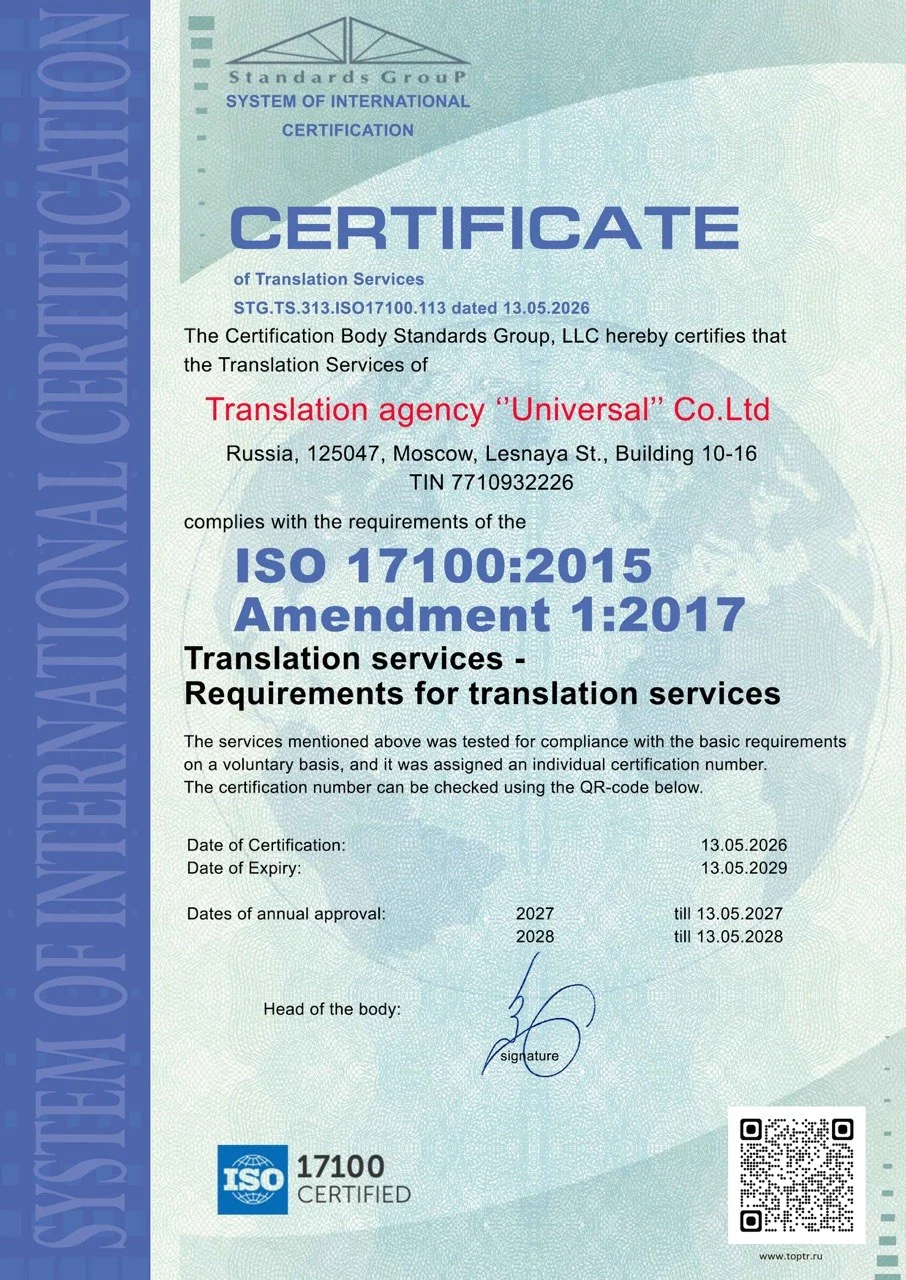
- Post-editor requirements. The specialist must meet ISO 17100 qualification criteria (translation education or confirmed experience) plus have skills working with MT output. This isn't a beginner freelancer — it's an experienced translator trained in post-editing specifics.
- Pre-project assessment. Before launching a PEMT project, the MT output quality must be assessed for the specific language pair and domain. If quality is below the threshold — PEMT is not advisable.
- Quality control. PEMT results are subject to sampling or full revision depending on the level (Light/Full).
- Confidentiality. Text processed through a cloud MT system may end up in training data. The standard requires agreeing on a confidentiality policy with the client.
Per ISO 18587, a test run is recommended before launching a PEMT project: translate 1,000-2,000 words through MT, assess the editing volume, and decide whether PEMT is effective or if translating from scratch is cheaper.
When PEMT Saves Money
PEMT delivers maximum value on texts with certain characteristics:
- Repetitive structure. Product catalogs, marketplace listings, specifications. Standard text, MT handles 70-85%.
- Technical documentation. Instructions, user manuals, API descriptions. Limited vocabulary, simple syntax — MT systems are trained on this data.
- Updates to existing translations. If 80% of text is unchanged and 20% is new content, a TM + PEMT combination is effective for new segments.
- Large volumes with tight deadlines. 500 pages in 5 days — impossible with human translation (7-8 translators needed). With PEMT — feasible: MT translates in hours, 2-3 post-editors work in parallel.
Real-world example: an online store ordered a home appliance catalog translation (12,000 product cards, English/Russian). Human translation was quoted at 840,000 RUB over 30 business days. Full PEMT cost 520,000 RUB over 12 business days. Savings — 38% on cost and 60% on timeline.
When PEMT Is Risky: Danger Zones
There are text categories where PEMT creates more problems than it solves:
- Legal documents. Contracts, charters, court decisions. MT systems confuse legal constructs: "shall" is translated inconsistently. A single word error can change the legal meaning. For legal translation, we use only human translation.
- Medical documentation. Clinical trial protocols, drug instructions, safety reports. MT doesn't distinguish INN (International Nonproprietary Names) from brand names, confuses dosages, and incorrectly renders abbreviations (AE, SAE, SUSAR). The cost of error — patient health.
- Marketing texts. Slogans, advertising materials, website copy. MT can't handle creativity, wordplay, or cultural adaptation. Light PEMT turns marketing into a dry instruction.
- Texts with cultural references. Fiction, subtitles, game localization. MT doesn't recognize irony, allusions, or idioms.
Rule: if the cost of error is high (legal liability, safety, brand reputation) — only human translation per ISO 17100.
PEMT Workflow at Translation Agency "Universal"
Our workflow for PEMT projects:
- Applicability assessment. The manager analyzes the text, domain, and language pair. If MT quality is insufficient (determined by a test run), we recommend human translation.
- MT engine selection. For European languages, usually DeepL Pro (closed API, data not stored). For Asian languages — Google NMT or ModernMT. For confidential texts — on-premise only.
- CAT system preparation. Text is loaded into SDL Trados or memoQ. First, TM processes matches (if a base exists), then new segments are translated via MT plugin. The post-editor sees the MT suggestion and edits it in the familiar CAT interface.
- Post-editing. A qualified translator post-editor processes each segment: corrects errors, checks terminology against the glossary, ensures consistency.
- QA check. Automatic control: numbers, tags, terminology, omissions. Plus spot manual review (10-15% of volume) by an independent editor.
- Delivery and feedback. The client receives the translation and QA report. We record feedback and adjust the MT glossary for future orders.
The cost of written translation using PEMT is calculated individually: it depends on the language pair, domain, and volume. Indicative rates are on the pricing page.
PEMT and Confidentiality: What to Watch For
Cloud MT systems process texts on the provider's servers. Free versions (Google Translate, DeepL Free) may use uploaded texts for model training. This is critical for NDA projects, trade secrets, and personal data.
Solutions we use:
- DeepL Pro / DeepL API Pro — texts are not stored after processing and not used for training. Confirmed by DPA (Data Processing Agreement).
- On-premise MT — MT engine deployed on the client's local server or on our secure server. Data doesn't leave the perimeter. Suitable for large projects with high security requirements.
- NDA — we sign a confidentiality agreement with every PEMT project client. We work under contract with closing documents (simplified tax system, no VAT).
Before launching a project, check with the manager which MT engine will be used and how confidentiality is ensured. Learn more about our approach on the About Us page.

 Max
Max